Decisive · Sixties Classic & Psych
The Velvet Underground
New York band formed around Lou Reed and John Cale. Andy Warhol sponsored the debut and designed its banana cover; The Velvet Underground & Nico (1967) and White Light/White Heat (1968) sold poorly then became core citations for punk, noise, and indie—Julian Casablancas later described White Light/White Heat as a record you hear in a bad mood in a dive bar.

Landmark
Heroin · 1967
Warhol banana-cover debut; two-chord form, explicit drug lyric.
Opened
Low 1960s sales; high later citation by punk, noise, and indie.
01 / 06
Warhol, Nico, banana cover
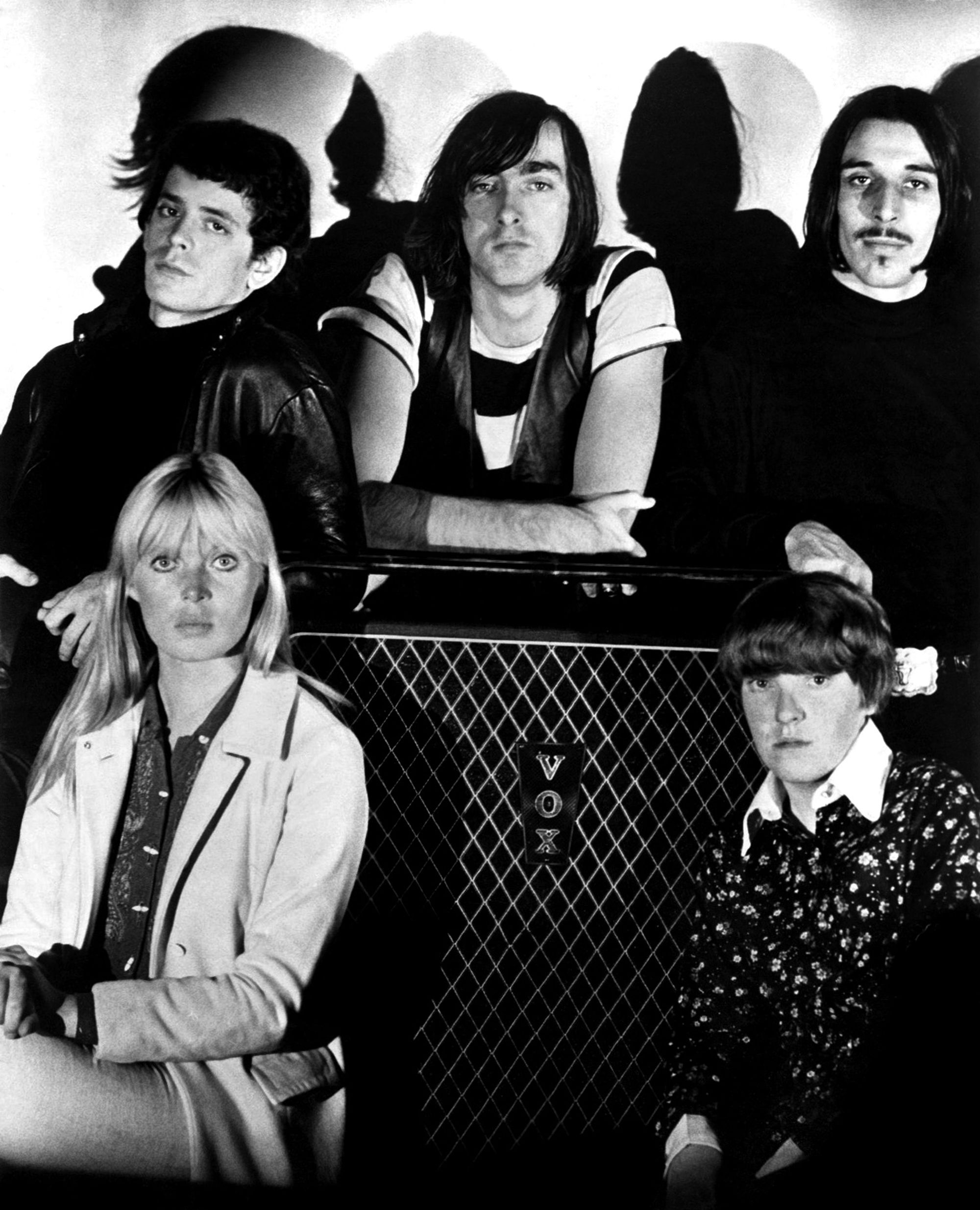
Reed and Cale’s Primitives added Morrison, took the Velvet Underground name, lost MacLise before a paid gig, and gained Tucker’s drums. Late 1965 Warhol saw them at Cafe Bizarre, became patron, and chose Nico. He funded the debut and designed the banana cover. Chart peak was US #171. Heroin, Waiting for the Man, and Venus in Furs set the band’s early subject matter; All Tomorrow’s Parties was Warhol’s favorite Velvet song.
02 / 06
White Light/White Heat
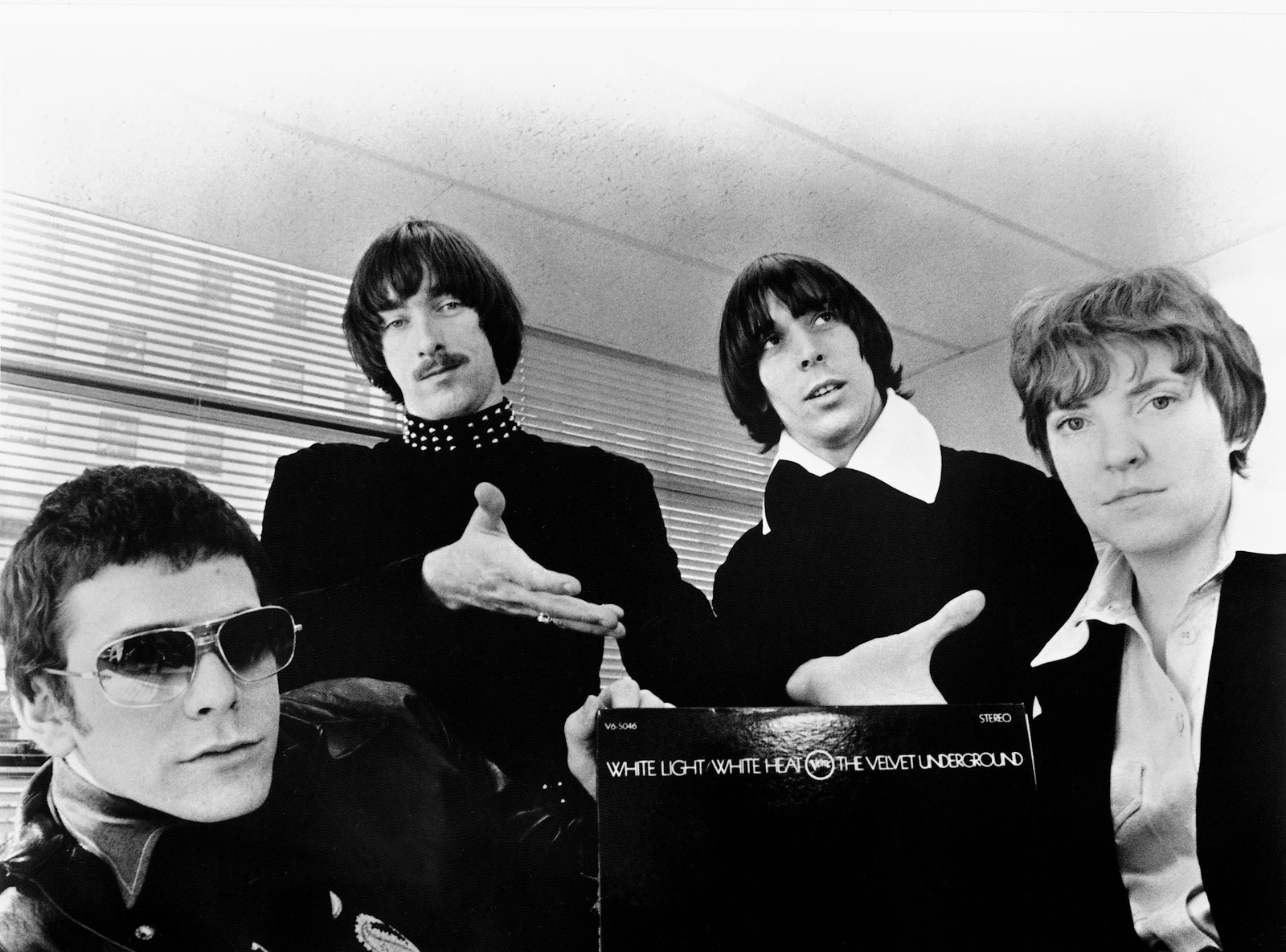
White Light/White Heat (1968) was recorded with intentional low fidelity and heavy distortion. Julian Casablancas told Rolling Stone it is a record you sit with in a dive bar when you feel terrible. The title track praises amphetamine; The Gift is a spoken story by Cale; Sister Ray runs about 17 minutes with slurred lyrics.
03 / 06
After Cale: Yule and Loaded
Cale left in 1968; Doug Yule replaced him. The 1969 self-titled album dropped Cale’s avant-garde edge for melody and harmony—I’m Set Free, What Goes On, Pale Blue Eyes. On Loaded (1970), Tucker was absent (pregnancy). Reed left after what he called an album full of hits, including Sweet Jane and Rock & Roll. Morrison left in 1971; Yule-led lineups produced little through 1973.
04 / 06
Reed solo and reunion
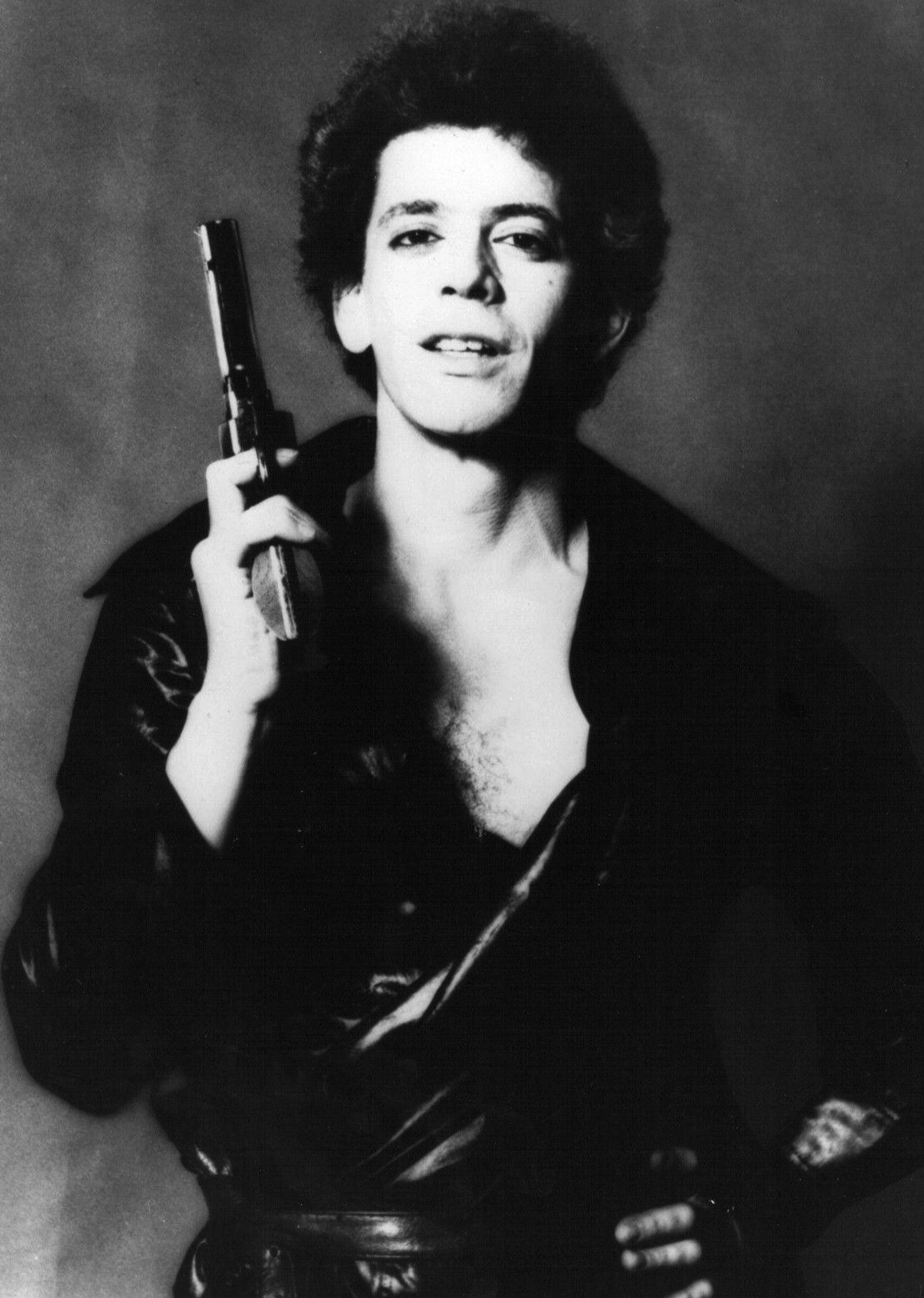
Reed’s Transformer (1972), with David Bowie and Mick Ronson, brought Walk on the Wild Side. Berlin (1973) was a bleak concept album; Metal Machine Music (1975) was a double album of noise that split listeners; Coney Island Baby (1975) restored melody. After Warhol’s 1987 death, Reed and Cale made Songs for Drella (1990). The original four reunited for LIVE MCMXCIII (1993); Reed–Cale conflict cancelled a US tour. After Morrison’s 1995 death, Reed, Cale, and Tucker played at the 1996 Rock Hall induction.
05 / 06
Later citations
Book accounts place the legacy in Modern Lovers’ and Arcade Fire’s rhythm weight, Roxy Music and Bowie’s art rock, Joy Division’s darkness, Jesus and Mary Chain’s white noise, Sonic Youth’s collapse textures, and The Strokes’ deadpan delivery. 1970s sales were low; later reissues fixed the early records in the underground canon.
06 / 06
Heroin
From The Velvet Underground & Nico (1967). Two-chord form; Warhol-era debut track on the banana-cover LP.
01 / 06
Warhol, Nico, banana cover
Banana album + Nico · 1965–1967
Lineup versions
Banana album + Nico
Peak1965–1967
Warhol patronage; banana-cover debut. Nico on the 1967 LP only.
White Light four
1967–1968
White Light/White Heat; Cale left 1968.
Yule / Loaded
1968–1970
Self-titled 1969 and Loaded; Tucker absent on Loaded.
- Lou ReedVocals, Guitar
- Doug YuleBass, Vocals
- Sterling MorrisonGuitar
- Moe TuckerDrums
Quotes
“This is a record you need to be in the mood for. You need to be sitting in a dive bar and feeling terrible.”
— Julian Casablancas · Rolling Stone on White Light/White Heat (as cited in Rock Chronicles)
“We were the band that sold records that other bands bought.”
— Lou Reed, 1987 · Press interview excerpt · quote wall
Scenes
| Year | Track | On stage | Tags |
|---|---|---|---|
| 1967 | HeroinFrom the Warhol-sponsored banana-cover debut; explicit drug lyric, two-chord form. | Lou Reed, John Cale, Sterling Morrison, Moe Tucker | |
| 1967 | Venus in FursDebut-era S&M theme; Cale viola under Reed’s flat vocal. | Lou Reed, John Cale, Sterling Morrison, Moe Tucker, Nico | |
| 1968 | Sister RayAbout 17 minutes on White Light/White Heat; deliberate lo-fi distortion. | Lou Reed, John Cale, Sterling Morrison, Moe Tucker | |
| 1970 | Sweet JaneFrom Loaded; Reed called it a farewell album full of hits. Tucker absent (pregnancy). | Lou Reed, Sterling Morrison, Doug Yule |