Decisive · Sixties Classic & Psych
The Kinks
London band formed in 1963 with the Davies brothers, Pete Quaife, and Mick Avory (from the Rolling Stones orbit). Early Pye singles You Really Got Me and All Day and All of the Night used power-chord riffs later cited in hard rock; Ray Davies’s mid-60s albums shifted to English observational writing.

Landmark
You Really Got Me · 1964
Pye single; UK #1. Plain guitar riff later cited in hard rock.
Opened
Early power-chord singles; later English observational albums.
01 / 07
From Ravens to Pye
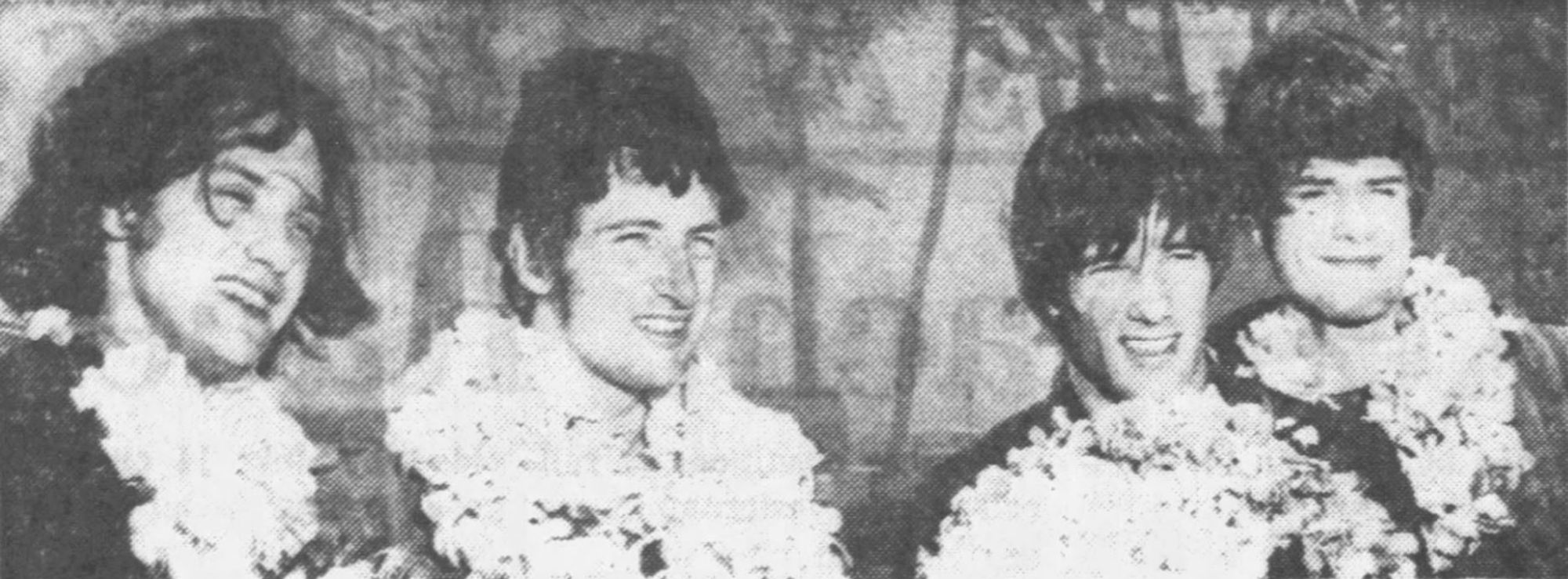
Ray and Dave Davies received guitars as teenagers and formed the Ray Davies Quartet. Schoolmate Pete Quaife joined on bass; the name became The Ravens. In 1963 they formed The Kinks with Mick Avory—linked to the Rolling Stones orbit—and signed to Pye. Two early singles failed. The third, You Really Got Me (1964), reached UK #1 and US #7.
02 / 07
Early riff singles
You Really Got Me is built on a short, plain guitar riff. All Day and All of the Night used a similar approach the same year. Tired of Waiting for You also topped the UK chart; Green Day later covered it. These Pye 45s are the band’s main early hard-rock reference points—power chords and a distorted lead tone rather than long solos.
03 / 07
English albums and US ban
From Kinda Kinks and The Kinks Kontroversy (both 1965) through Face to Face (1966) and Something Else (1967), Ray Davies wrote UK hits including Sunny Afternoon and Waterloo Sunset. Friction—especially between the Davies brothers—and management problems kept the band off US tours for about four years. From then on, albums often did better in the US than at home.
04 / 07
Quaife, Dalton, Gosling
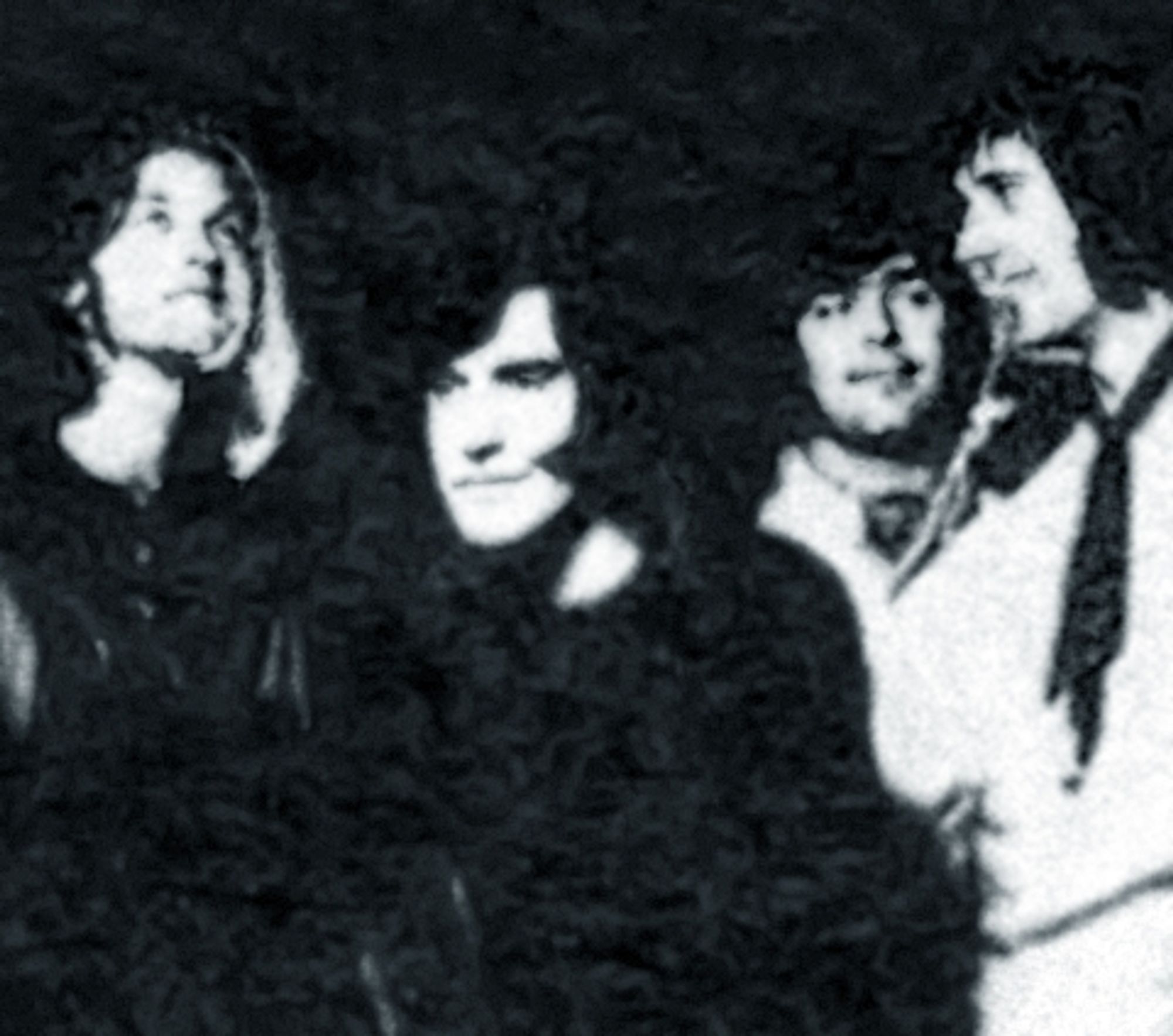
In 1966 Quaife left for three months; John Dalton covered bass. Ray also briefly left for under a week in 1967. Dave’s solo single Death of a Clown (written with Ray) charted in the UK that year. Village Green Preservation Society (1968) and Arthur (1969) were more conceptual and less commercially successful. Dalton first appeared officially on Arthur; Quaife left for good. John Gosling joined on keyboards around the Lola period (1970–1978).
05 / 07
Lola through Arista
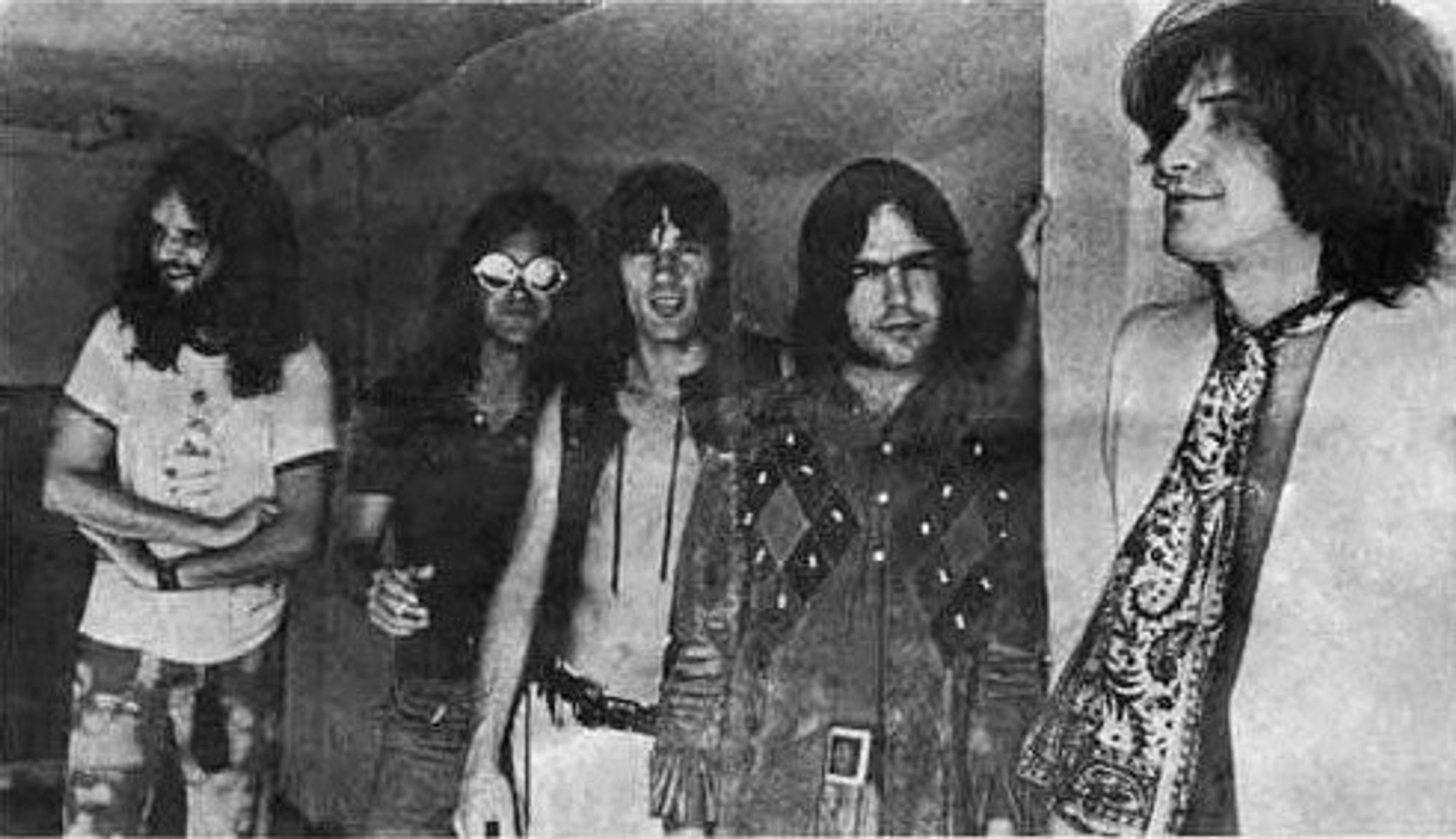
Lola Versus Powerman… (1970) returned the band to the US Top 40 via Lola and Apeman. Apeman was their last UK Top 10 single. Under RCA, the only notable UK chart entry was Supersonic Rocket Ship; Celluloid Heroes stood out on Everybody’s in Show-Biz (1972). Arista albums Sleepwalker (1977), Misfits (1978), Low Budget (1979), One for the Road (1980), Give the People What They Want (1981), and State of Confusion (1983) reached the US Top 20. Come Dancing was the first big hit in a decade.
06 / 07
Later citations
Avory left in 1989; Bob Henrit took drums. Think Visual (1986) and UK Jive (1989) underperformed. Phobia (1993) included Hatred (A Duet); the band ended in 1996. Paul Weller, Noel Gallagher, and Damon Albarn have cited Ray Davies. He received an OBE in 2004 and an Ivor Novello outstanding contribution award. See My Friends (2012) reworked older songs with guests including Bruce Springsteen and members of Metallica, Pixies, and The Smashing Pumpkins.
07 / 07
You Really Got Me
1964 Pye single. UK #1, US #7. Short power-chord riff; often named as an early hard-rock reference.
01 / 07
From Ravens to Pye
Classic four · 1964–1968
Lineup versions
Classic four
Peak1964–1968
Pye riff singles through Village Green Preservation Society.
- Ray DaviesVocals, Guitar
- Dave DaviesGuitar
- Pete QuaifeBass
- Mick AvoryDrums
Lola / Dalton–Gosling
1969–1976
Arthur through the RCA years; Gosling from about 1970.
- Ray DaviesVocals, Guitar
- Dave DaviesGuitar
- John DaltonBass
- Mick AvoryDrums
- John GoslingKeyboards
Arista years
1978–1989
US Top 20 run including Low Budget and Come Dancing; Avory until 1989.
- Ray DaviesVocals, Guitar
- Dave DaviesGuitar
- Jim RodfordBass
- Mick AvoryDrums
- Ian GibbonsKeyboards
Quotes
“You Really Got Me was distortion as a song idea, not an effect.”
— Dave Davies, 1964 · Guitar interview excerpt
“English life is enough material. You don't need mythology.”
— Ray Davies, 1967 · Press interview excerpt
Scenes
| Year | Track | On stage | Tags |
|---|---|---|---|
| 1964 | You Really Got MeThird Pye single; UK #1, US #7. Plain guitar riff later treated as an early hard-rock model. | Ray Davies, Dave Davies, Pete Quaife, Mick Avory | |
| 1967 | Waterloo SunsetUK hit written by Ray Davies; English place lyric around Waterloo. | Ray Davies, Dave Davies, Pete Quaife, Mick Avory | |
| 1970 | LolaFrom Lola Versus Powerman…; US Top 40 return. US radio often used “cherry cola” for “Coca-Cola.” | Ray Davies, Dave Davies, John Dalton, Mick Avory | |
| 1983 | Come DancingFrom State of Confusion; first major hit in about ten years. | Ray Davies, Dave Davies, Jim Rodford, Mick Avory, Ian Gibbons |