Decisive · Hard Rock, Prog & Early Metal
Fleetwood Mac
Formed in 1967 from John Mayall’s Bluesbreakers alumni. Peter Green–era UK Top 10 singles, then the 1975 Buckingham–Nicks five; Rumours (1977) is among the best-selling rock albums and the main radio document.

Landmark
Go Your Own Way · 1977
Rumours single that fixed the Buckingham–Nicks radio identity.
Opened
Blues origin and Rumours harmony under one band name.
01 / 05
Two catalogs under one name
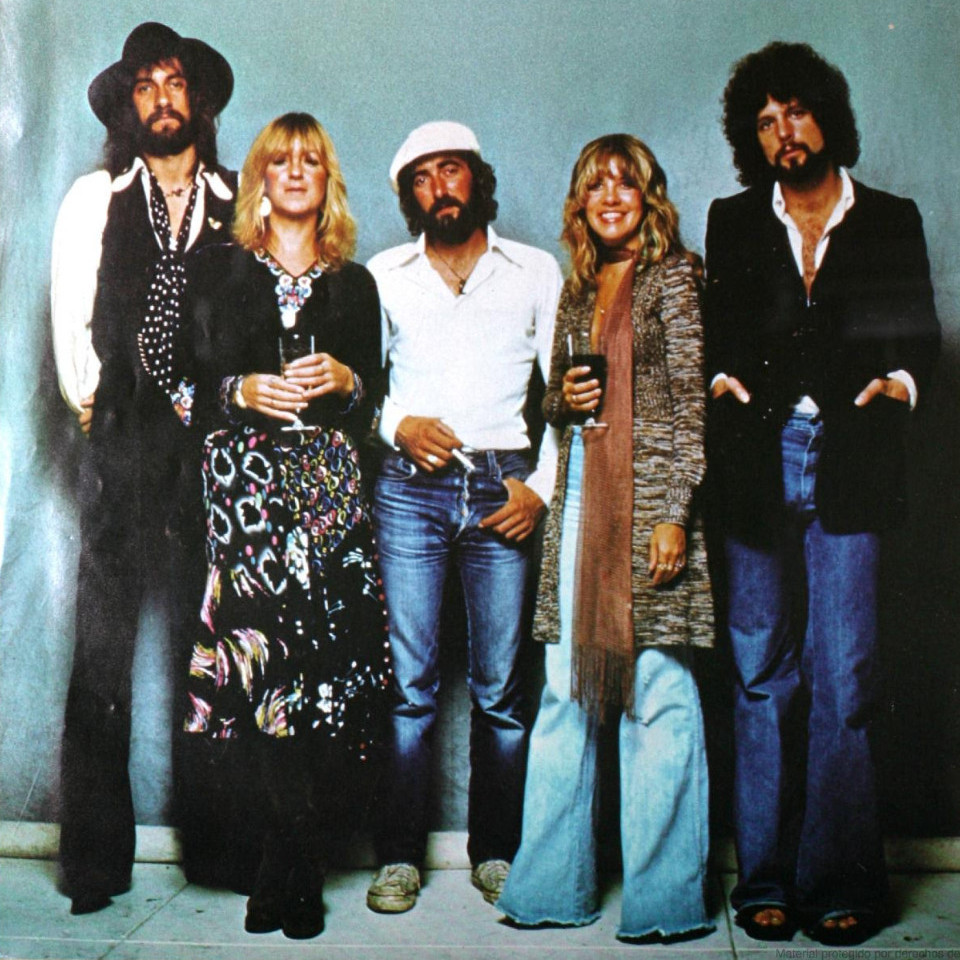
Fleetwood Mac is often plural in practice: Green-era British blues-rock, then Buckingham–Nicks California harmony pop over the same McVie/Fleetwood rhythm section. Rumours fixed stacked vocals, fingerstyle attack, and radio-length songs as the commercial core. Green singles (Albatross, Oh Well, Green Manalishi) remain the blues-club reference half of the name.
02 / 05
Bluesbreakers to Green Manalishi
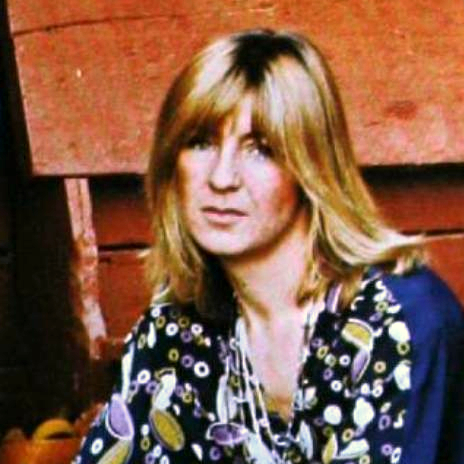
Green, Fleetwood, McVie, Spencer, and Kirwan built UK chart blues-rock. Christine Perfect (Chicken Shack) appears on Mr. Wonderful before joining full-time. Green exits 1970; Spencer leaves 1971 for a religious commune. Welch, Walker, and Weston mark unstable early-1970s US touring years. Cross-band: Walker later briefly replaced Ozzy Osbourne in Black Sabbath; Judas Priest covered The Green Manalishi.
03 / 05
Buckingham–Nicks and Rumours
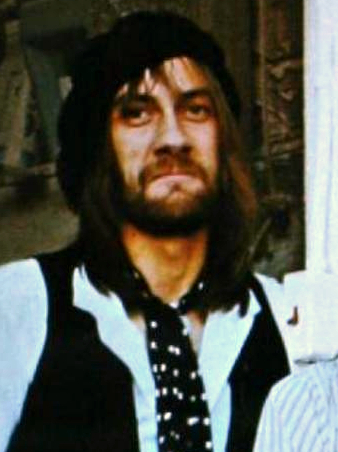
The 1975 self-titled LP climbed to US No.1. Rumours (1977) was written while Fleetwood, the McVies, Nicks, and Buckingham’s relationships collapsed—Fleetwood called it emotional hell with musical pleasure. Tusk (1979) resisted repeating Rumours; Mirage (1982) and Tango in the Night (1987) returned toward polish. Buckingham’s exit ended that five on the road until later reunions. Clinton’s 1993 inauguration Don’t Stop was a one-off Rumours-five appearance.
04 / 05
Dreams
Minimal groove, Nicks lead, Christine McVie keys pad on Rumours. US No.1 single for the Buckingham–Nicks five.
05 / 05
Vito/Burnette, Time, The Dance
Behind the Mask (1990) used Rick Vito and Billy Burnette after Buckingham quit. Nicks and Christine McVie left by year’s end. Bramlett and Dave Mason (ex–Traffic) cut Time (1995). The Dance (1997) restored the classic five to platinum live sales. Say You Will (2003) was a four-piece without Christine McVie; touring resumed into the 2010s.
01 / 05
Two catalogs under one name
Formed in 1967 from John Mayall’s Bluesbreakers alumni. Peter Green–era UK Top 10 singles, then the 1975 Buckingham–Nicks five; Rumours (1977) is among the best-selling rock albums and the main radio document.
Listen
Lineup versions
Peter Green blues era
1967–1970
UK Top 10 singles Albatross / Oh Well / Green Manalishi.
- Peter GreenGuitar, Vocals
- Jeremy SpencerGuitar
- Danny KirwanGuitar
- John McVieBass
- Mick FleetwoodDrums
Buckingham–Nicks five
Peak1975–1987
Fleetwood Mac (1975) and Rumours (1977) commercial peak.
- Lindsey BuckinghamGuitar, Vocals
- Stevie NicksVocals
- Christine McVieKeyboards, Vocals
- John McVieBass
- Mick FleetwoodDrums
Vito / Burnette years
1987–1991
Behind the Mask after Buckingham quits the Tango tour.
- Stevie NicksVocals
- Christine McVieKeyboards, Vocals
- Rick VitoGuitar
- Billy BurnetteGuitar, Vocals
- John McVieBass
- Mick FleetwoodDrums
Quotes
“It was a complete disaster area—emotional hell mixed with musical pleasure.”
— Mick Fleetwood, 1977 · To Craig Rosen on the Rumours period
“We made Rumours while breaking up with each other.”
— Lindsey Buckingham, 1977 · Press interview excerpt
Scenes
| Year | Track | On stage | Tags |
|---|---|---|---|
| 1969 | Oh WellPeter Green UK Top 10 single; blues-rock era before California pop focus. | Peter Green, John McVie, Mick Fleetwood, Jeremy Spencer, Danny Kirwan | |
| 1977 | Go Your Own WayFrom Rumours; fingerstyle drive and stacked choruses. | Lindsey Buckingham, Stevie Nicks, Christine McVie, John McVie, Mick Fleetwood | |
| 1977 | DreamsNicks vocal over a sparse groove; US No.1 single from Rumours. | Lindsey Buckingham, Stevie Nicks, Christine McVie, John McVie, Mick Fleetwood |