Decisive · Hard Rock, Prog & Early Metal
King Crimson
Robert Fripp–centered progressive band formed in London in 1969. Three clear phases—symphonic debut, mid-70s improv edge, 1980s Discipline dual-guitar—each leave a catalog mark while Fripp stays constant.

Landmark
21st Century Schizoid Man · 1969
Debut album opener; distorted vocal and heavy riff on 1969 prog.
Opened
Progressive rock with repeated lineup reform under Fripp.
01 / 06
Three phases
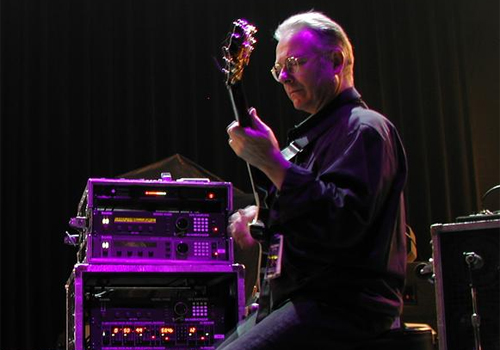
The book frames King Crimson in three phases: symphonic-rock pioneer (Court era), progressive / jazz-rock edge (Wetton/Bruford), and advanced interlocking music (Discipline onward). Fripp remains; bass, drums, vocals, and reeds change by decade. The versions are the catalog.
02 / 06
In the Court of the Crimson King
1969 debut with Lake, McDonald, Giles, Sinfield, and Fripp. Epitaph and the title track use solemn Mellotron; 21st Century Schizoid Man opens with distorted vocal, sax, and a heavy riff. It is the clearest early symphonic-rock reference in this chronicle.
03 / 06
Wetton / Bruford years
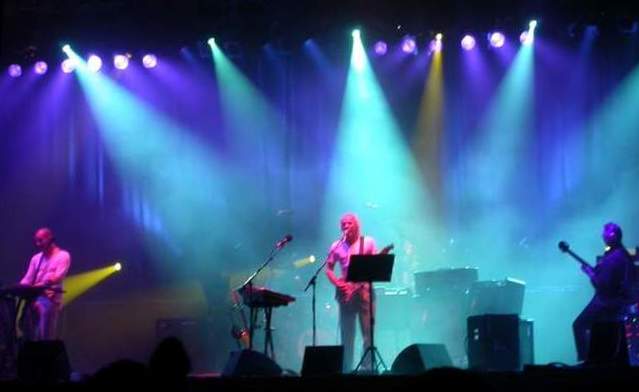
After 1972, Wetton, Bruford (from Yes), Cross, and briefly Muir recorded Larks’ Tongues in Aspic. Starless and Bible Black and Red tightened the improvising edge before Fripp stopped the band again. Jon Anderson’s Lizard cameo and Bruford’s Yes past are the main Yes cross-links.
04 / 06
Discipline: Belew and Levin
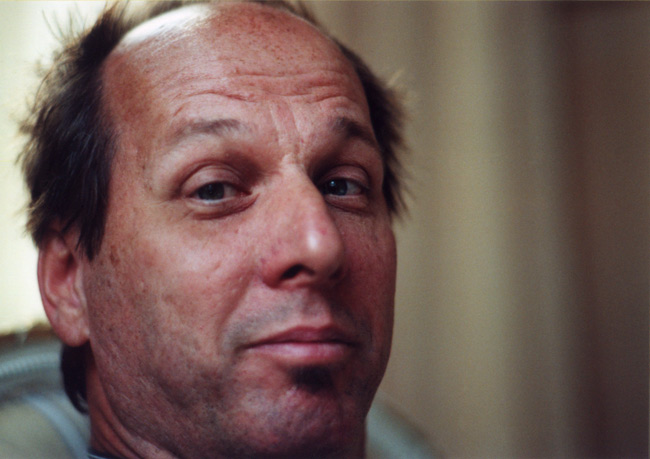
Belew arrived from Frank Zappa’s band and Bowie’s late-1970s circle (Lodger; 1978 live). Levin came from Peter Gabriel. With Fripp and Bruford they made Discipline, Beat, and Three of a Perfect Pair. Interlocking dual guitar and Stick bass define Elephant Talk–era Crimson. Belew’s Bowie/Zappa path is the clearest cross-band thread.
05 / 06
Double trio and later returns
In 1994 Trey Gunn and Pat Mastelotto joined Fripp’s “double trio” idea (Thrak, 1995). Bruford and Levin left temporarily later; The ConstruKction of Light (2000) and The Power to Believe (2003) continued the experiments. A 2009 pause lasted until 2014.
06 / 06
Later prog cites
Math rock and experimental metal often cite shifting meters and frequent lineup reform. Radiohead and Tool listeners also point to Schizoid Man and Discipline-era interlocking parts. Influence is sonic and procedural: how a band reconstitutes itself under one guitarist’s standards.
01 / 06
Three phases
Robert Fripp–centered progressive band formed in London in 1969. Three clear phases—symphonic debut, mid-70s improv edge, 1980s Discipline dual-guitar—each leave a catalog mark while Fripp stays constant.
Lineup versions
Court era (1969)
Peak1969
In the Court of the Crimson King–era Mellotron lineup.
- Robert FrippGuitar
- Greg LakeVocals, Bass
- Ian McDonaldWoodwinds, Keys
- Michael GilesDrums
- Pete SinfieldLyrics
Wetton / Bruford (Red)
1972–1974
Larks’ Tongues through Red; improvising progressive edge.
- Robert FrippGuitar
- John WettonVocals, Bass
- Bill BrufordDrums
- David CrossViolin, Keys
Discipline era (1981)
1981–1984
Belew/Levin/Bruford interlocking-guitar era; Discipline album.
- Robert FrippGuitar
- Adrian BelewVocals, Guitar
- Tony LevinBass, Stick
- Bill BrufordDrums
Quotes
“King Crimson is a way of doing things.”
— Robert Fripp, 1981 · Interview excerpt · quote wall
Scenes
| Year | Track | On stage | Tags |
|---|---|---|---|
| 1969 | 21st Century Schizoid ManOpener of In the Court of the Crimson King; distorted vocal, saxophone, heavy riff against Mellotron ballads on the same album. | Robert Fripp, Greg Lake, Ian McDonald, Michael Giles | |
| 1974 | StarlessFrom Red (1974); long-form piece at the end of the Wetton/Bruford era before Fripp dissolved the band again. | Robert Fripp, John Wetton, Bill Bruford, David Cross | |
| 1981 | Elephant TalkFrom Discipline; Belew (ex–Frank Zappa / Bowie tours) vocal/guitar with Fripp interlocking lines; Levin from Peter Gabriel’s band. | Robert Fripp, Adrian Belew, Tony Levin, Bill Bruford |